Fleet Wrap Planning Guide for Reliable Multi-Vehicle Rollouts
A successful fleet-wrap program connects brand design with vehicle data and operations. This guide gives fleet managers, business owners, procurement teams and agencies a practical framework for preparing accurate quotes, reducing installation delays and keeping future vehicles consistent.
Build a usable vehicle inventory
Start with a list that connects every vehicle to a location and a specific body configuration. Model names alone are not enough because wheelbases, roof heights, service bodies, doors, windows and aftermarket equipment can change usable graphic space.
- Unit number and assigned branch
- Year, make, model, wheelbase and body style
- Photographs from all four sides
- Existing graphics and surface condition
- Racks, toolboxes, liftgates and other equipment
- Availability date and installation location
Work that earns attention.
Commercial wrap, fleet and environmental graphics built to stay clear, consistent and unmistakable wherever the brand appears.
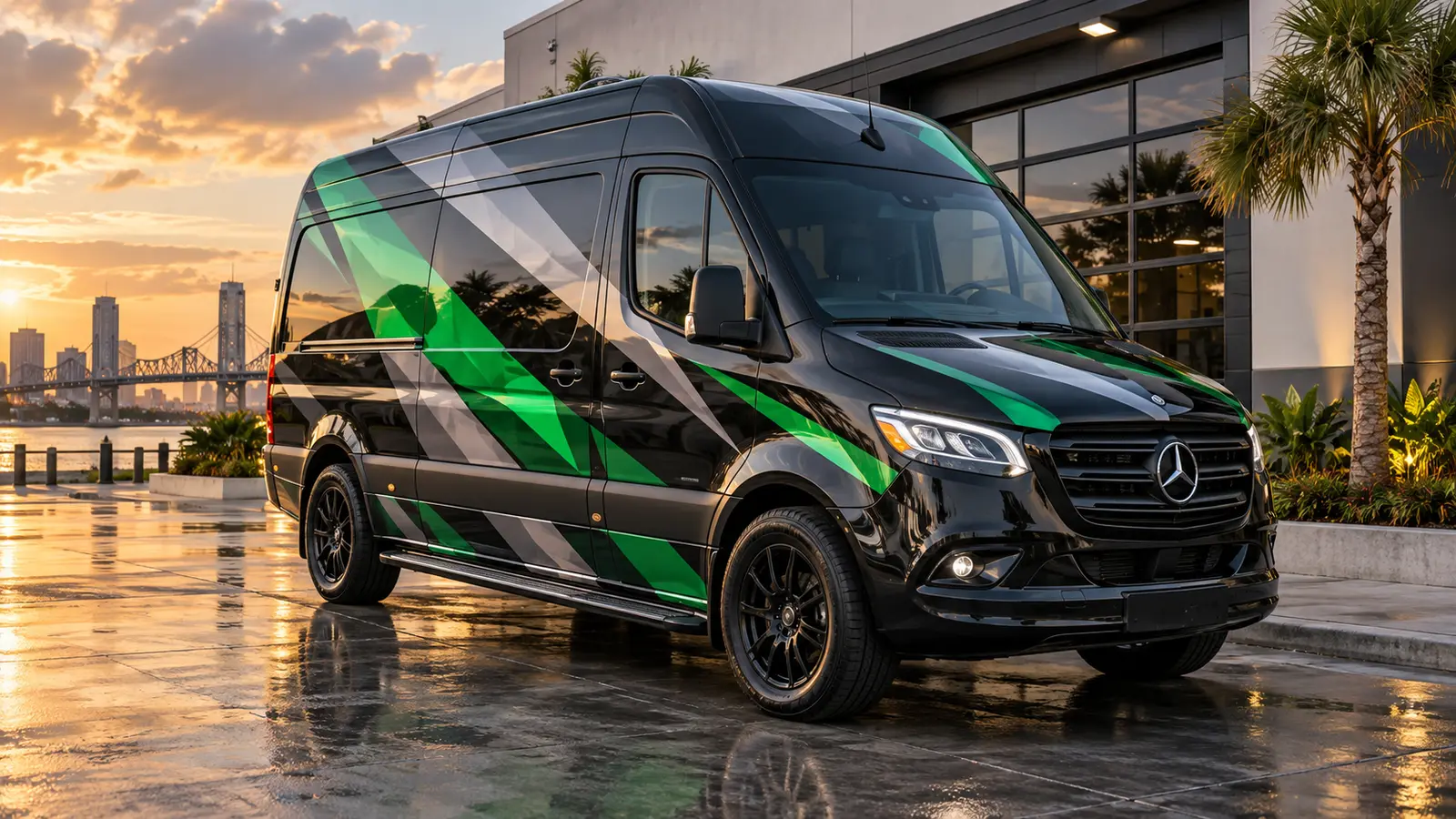
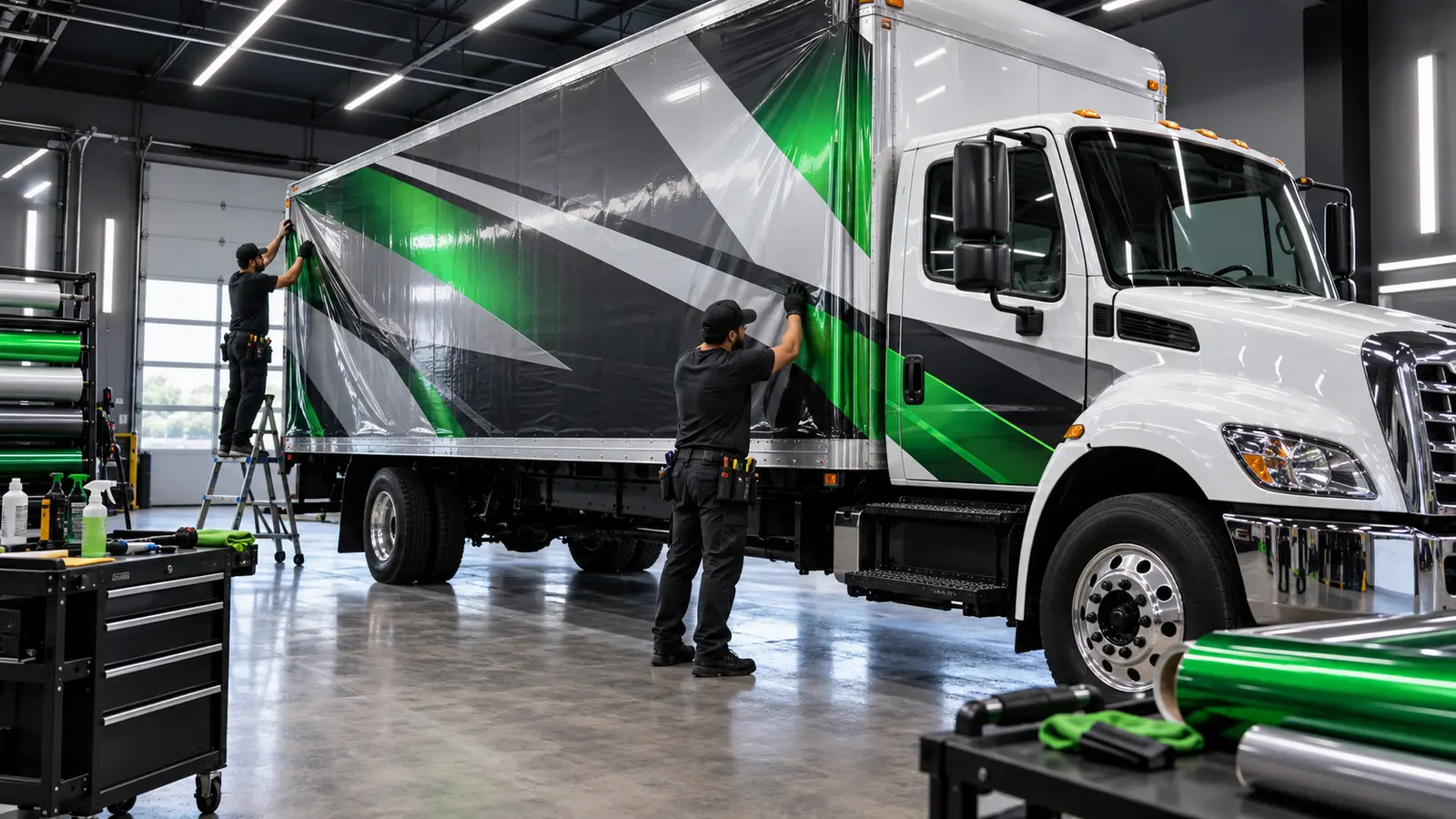
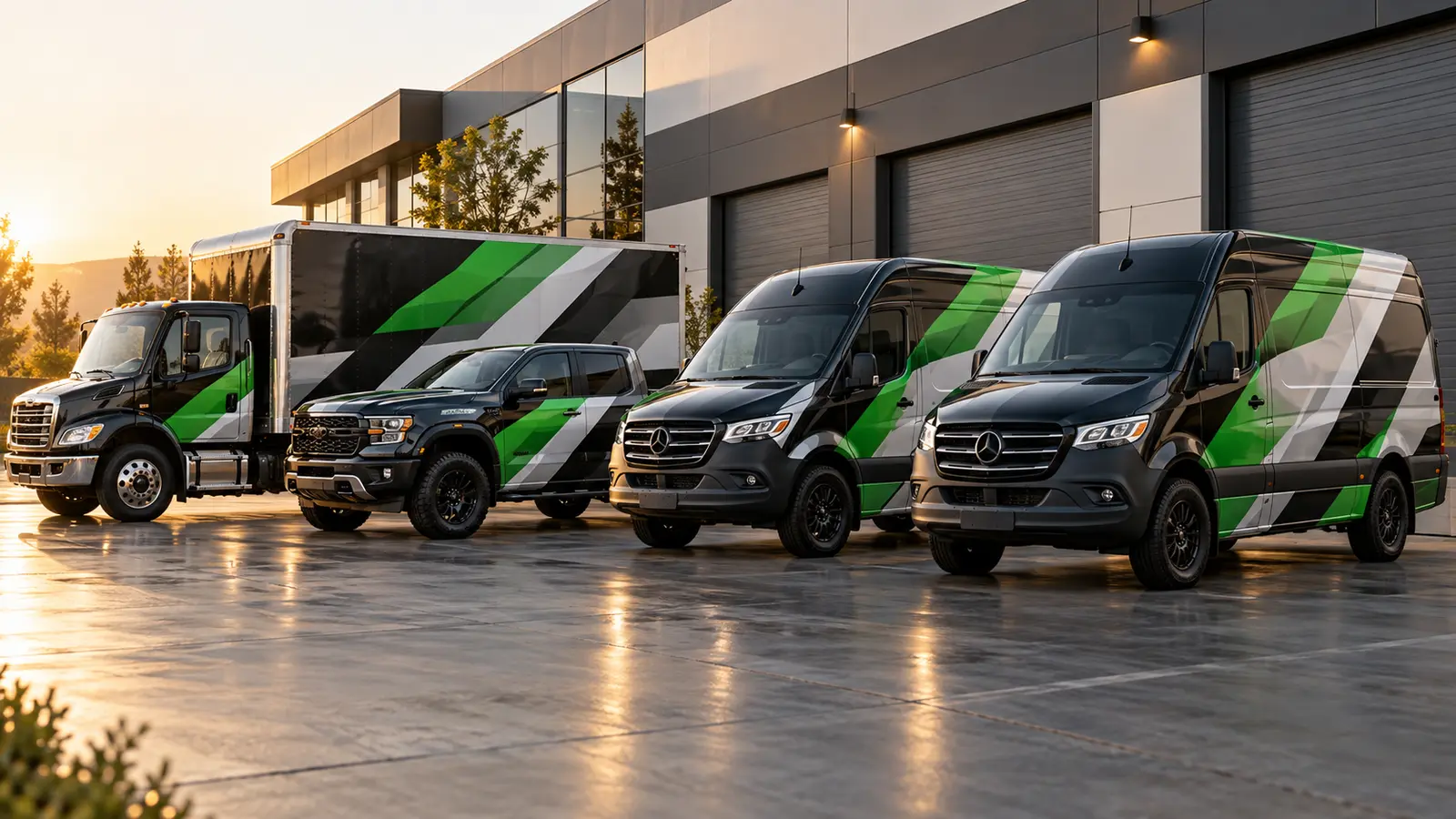
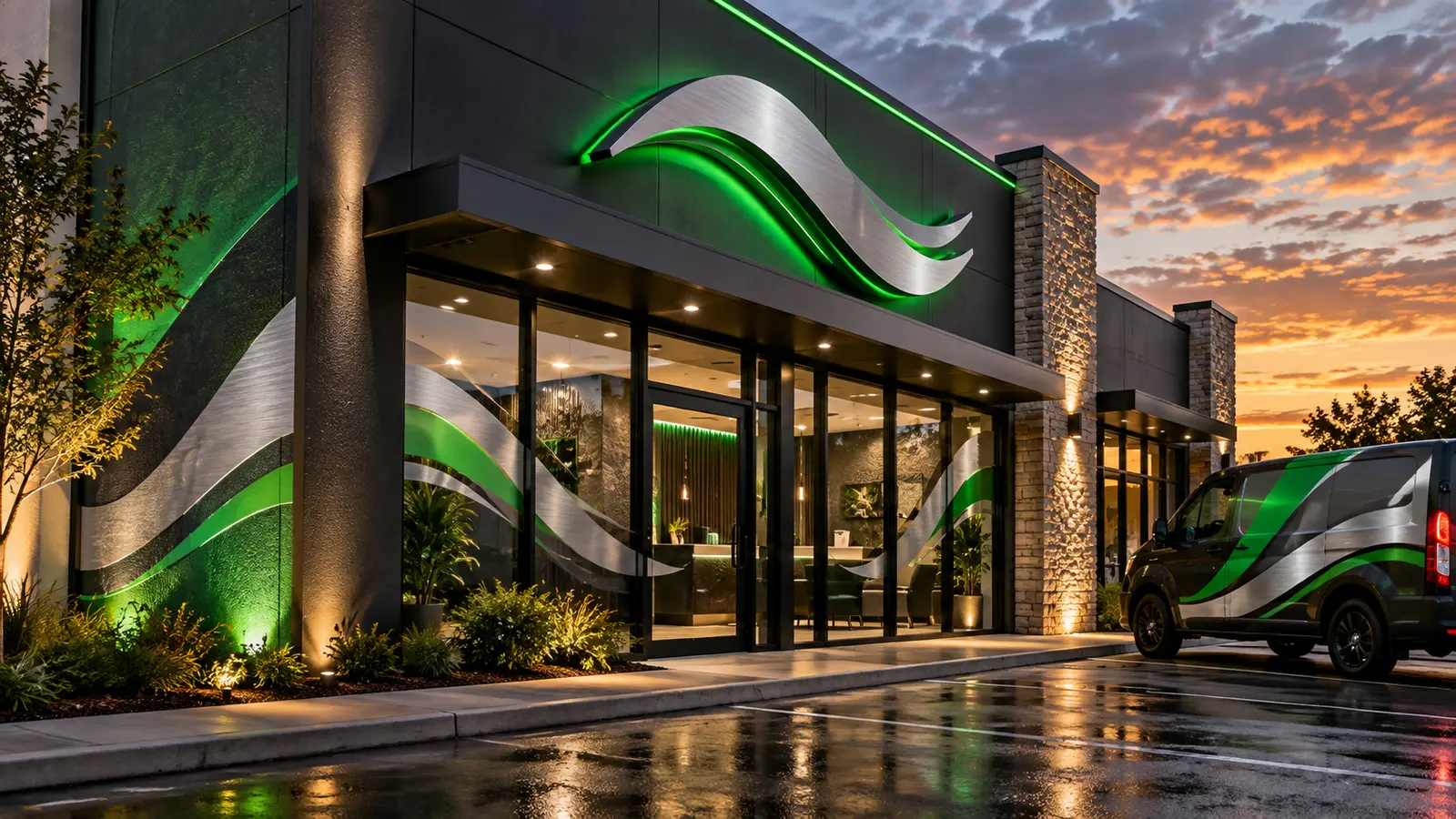
Buddha Wraps visual portfolio · New Orleans and nationwide commercial programs
Define artwork and approval responsibilities
Identify who controls the logo files, brand standards, legal copy, phone numbers, service lists and final approval. Establish one version of the approved message and a process for documenting changes. Proofs should show the correct vehicle, scale, panel breaks and information hierarchy—not merely a generic side view.
Review artwork guidelines and fleet wrap design standards.
Create a rollout schedule around the fleet
Group vehicles by branch, model, operational priority or route. Confirm where cleaning occurs, how old graphics will be removed, how many vehicles can be out of service and who releases each unit. Build time for proof approval, production, shipping, preparation, installation and inspection.
For distributed fleets, explore nationwide fleet installation and fleet graphics management.
Commercial Wrap FAQs
When should fleet planning begin?
Begin before final artwork when possible. Vehicle data and operating constraints influence design, production and installation decisions.
What causes the most common rollout delays?
Incomplete vehicle information, incorrect artwork, late approvals, unexpected old-graphic removal, vehicle-condition issues and changes to vehicle availability are common causes.
Should every vehicle use the identical layout?
The brand hierarchy should remain consistent, but layouts often need model-specific adaptations for doors, windows, body lines and equipment.
What documentation should remain after installation?
Retain approved proofs, source artwork, production files, material specifications, color references, vehicle assignments, installation records and revision history.