Vehicle Wrap Cost Guide: What Actually Changes the Price
A useful vehicle-wrap estimate cannot be based on vehicle length alone. Coverage, body style, surface condition, artwork readiness, film system, production complexity, installation access and fleet quantity all affect cost. This guide explains the information a commercial buyer should collect before comparing proposals.
The main vehicle-wrap cost factors
The same model can require different labor and material depending on whether the project is simple lettering, a partial wrap or complete printed coverage. Rivets, deep channels, compound curves, roof coverage, bumpers, damaged paint, old adhesive and installed equipment change preparation and installation time.
- Vehicle type, measurements and usable surfaces
- Full wrap, partial wrap, lettering or spot graphics
- Artwork creation and file rebuilding
- Film, laminate and specialty material selection
- Surface preparation and removal of existing graphics
- Quantity, scheduling and installation location
Work that earns attention.
Commercial wrap, fleet and environmental graphics built to stay clear, consistent and unmistakable wherever the brand appears.
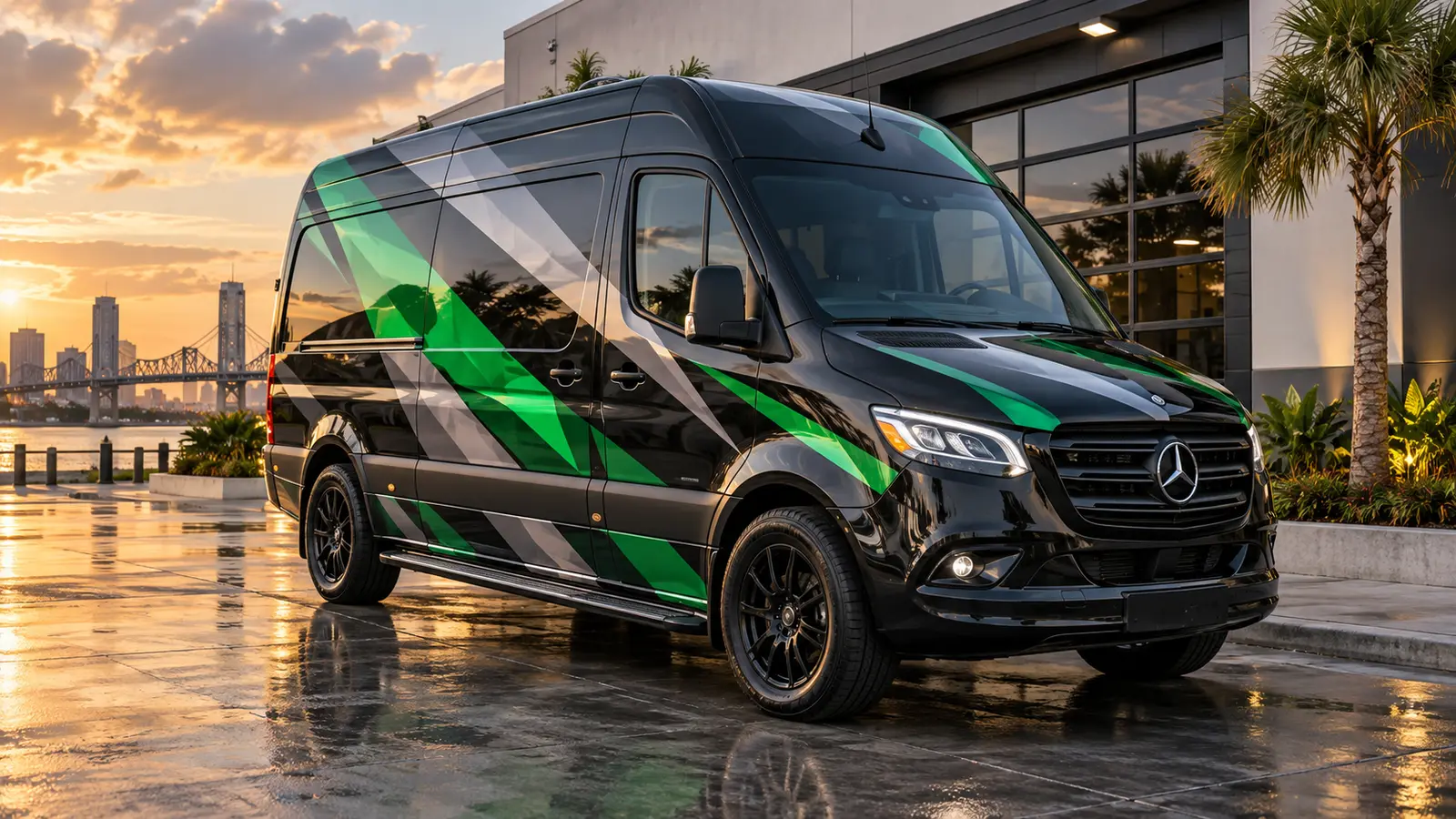
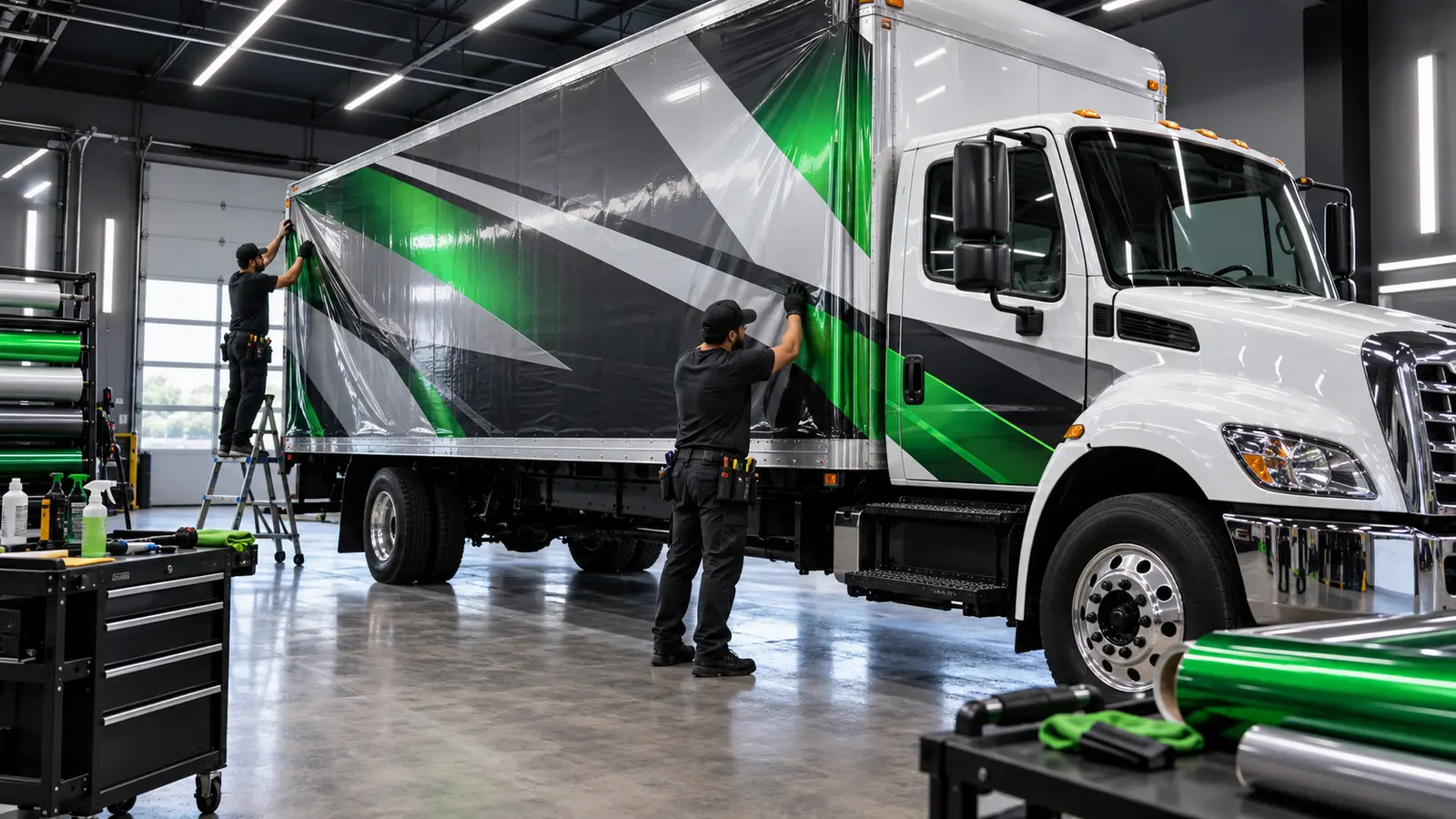
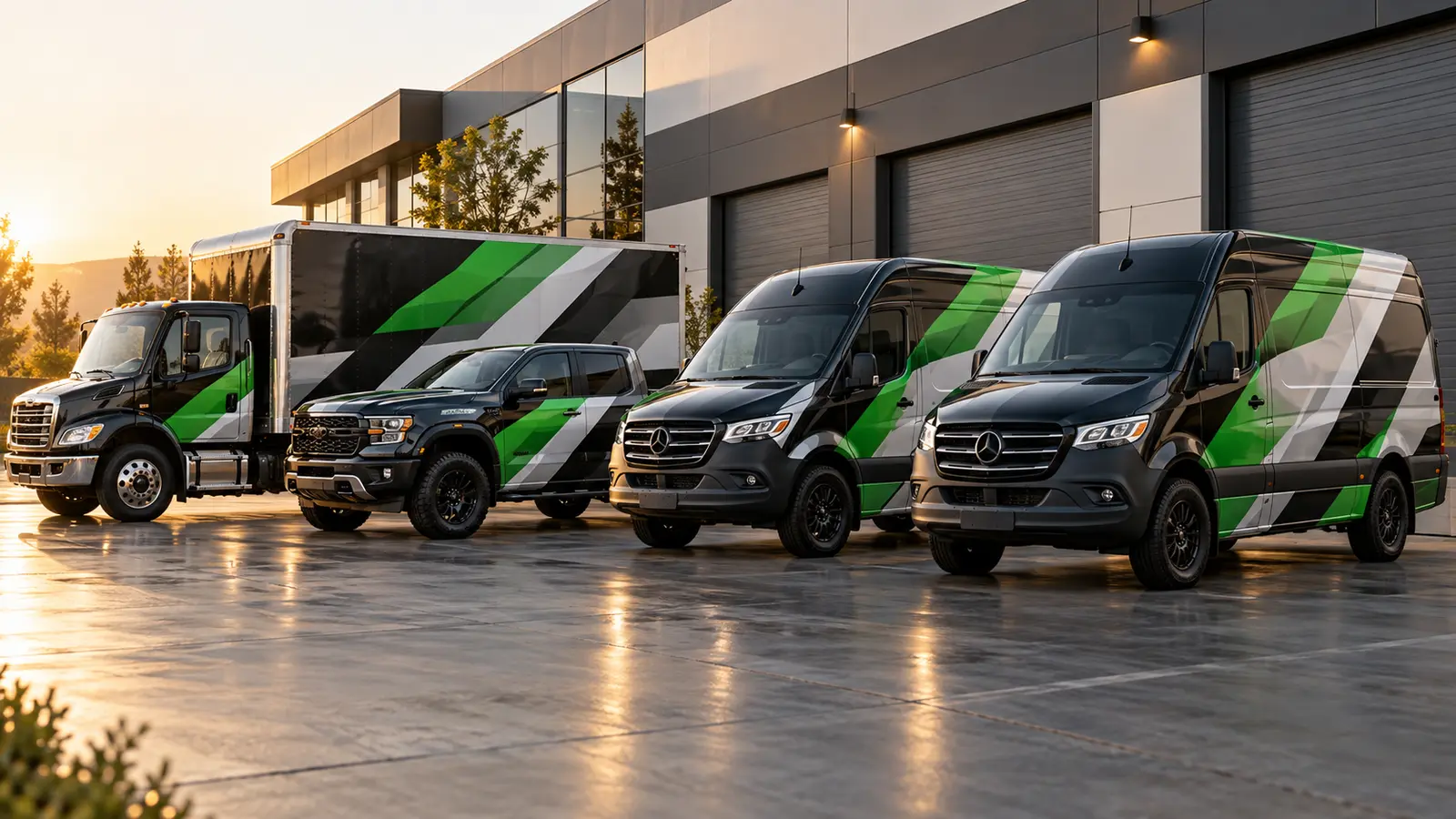
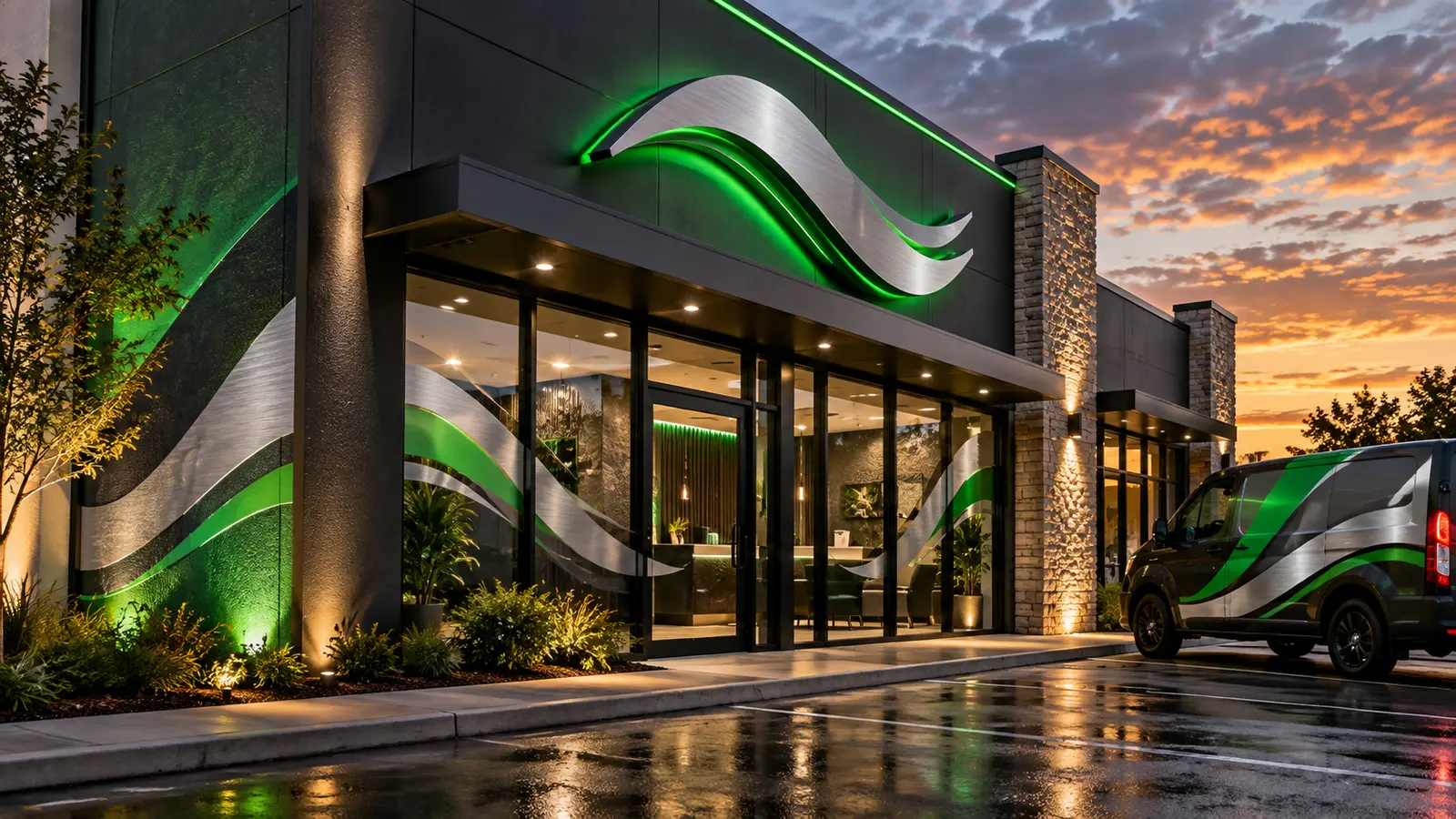
Buddha Wraps visual portfolio · New Orleans and nationwide commercial programs
Compare scope instead of a single headline price
A lower quote may exclude design, removal, roof or bumper coverage, laminate, difficult surfaces, travel, replacement panels or project management. Ask each provider to identify the exact surfaces included, material system, artwork assumptions, installation conditions and warranty limitations. That creates an accurate comparison and reduces change orders.
Coverage options are explained on the full wrap, partial wrap and lettering and decals pages.
Fleet budgeting should include the full lifecycle
For fleets, the first installation is only part of the budget. Plan for new vehicles, accident repairs, door and panel replacements, branding revisions, removals and vehicles that differ from the original template. Organized files and specifications can reduce redesign time and inconsistent output.
Use our fleet planning guide and materials guide before requesting proposals.
Commercial Wrap FAQs
Why are exact wrap prices difficult to publish?
The scope changes materially with vehicle size, body complexity, coverage, condition, artwork and installation requirements. A documented quote is more accurate than a broad price range.
Is a partial wrap always cheaper than a full wrap?
Usually it uses less printed material, but design complexity, contour cutting, surface preparation and installation details still affect the final cost.
Does fleet quantity reduce the price?
Repeated production can improve efficiency, but vehicle variation, geographic rollout, scheduling and individual vehicle condition still matter.
What information produces the fastest quote?
Send the year, make, model, body style, photographs, quantity, desired coverage, artwork files, current graphics, installation locations and target dates.