Full Wrap vs Partial Wrap
Understand the visibility, budget, design, durability, and production differences between full and partial commercial vehicle wraps.
Quick answer
A full wrap offers the broadest design control and can visually transform most painted surfaces. A partial wrap combines printed graphics with the factory paint to create a strong branded result with less material and installation time.
Choose coverage around the marketing goal
Large box panels, rear doors, and high-visibility sides often deserve priority. The right coverage depends on vehicle color, body style, viewing distance, message hierarchy, and budget.
Do not confuse less coverage with weak design
A disciplined partial wrap can outperform a crowded full wrap. Strong contrast, clean typography, and intentional use of factory paint are more important than filling every panel.
Related resources
Compare options on the actual vehicle
Share your vehicle type, fleet size, service area, timing, and artwork status for a practical recommendation.
Work that earns attention.
Commercial wrap, fleet and environmental graphics built to stay clear, consistent and unmistakable wherever the brand appears.
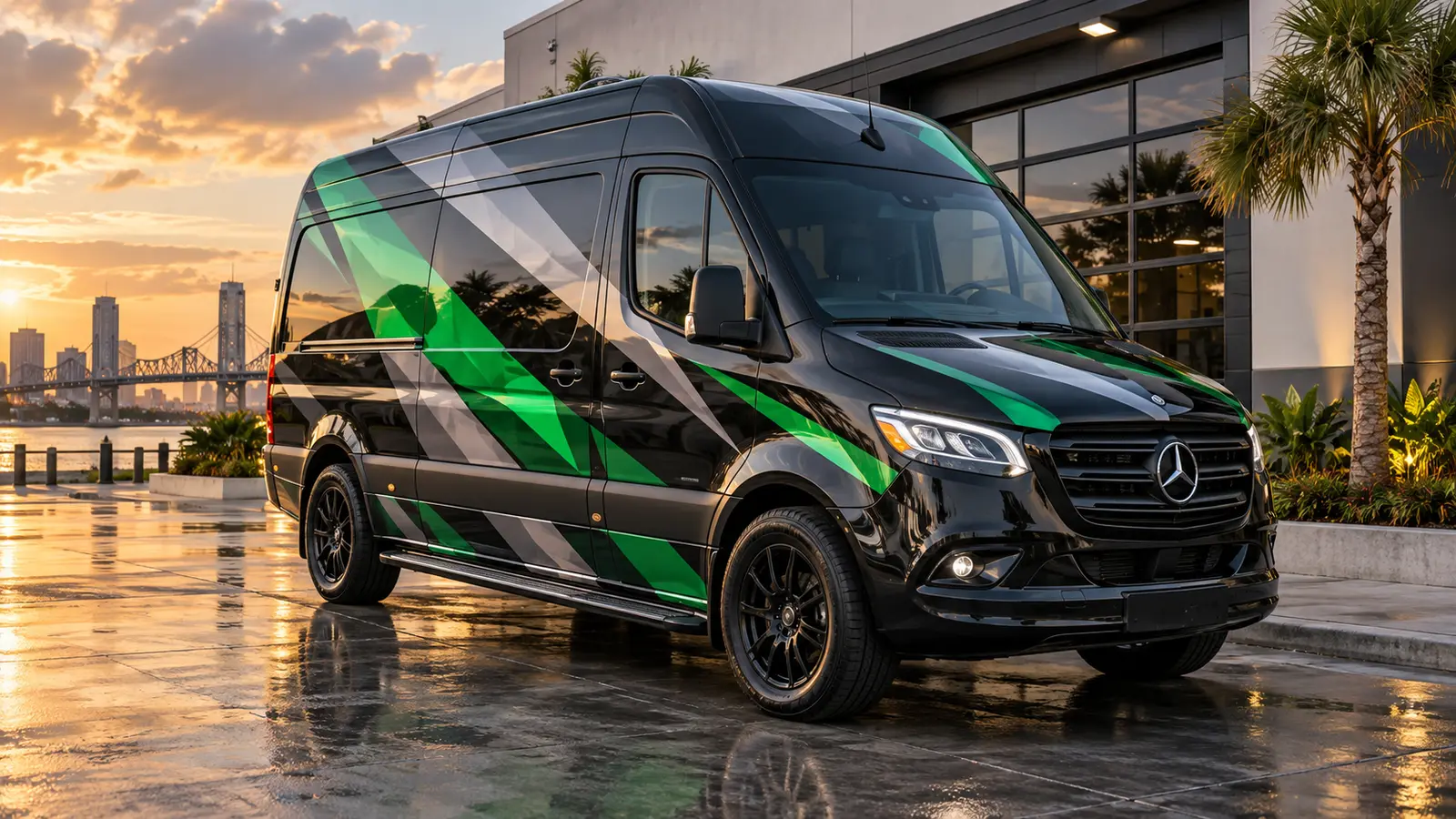
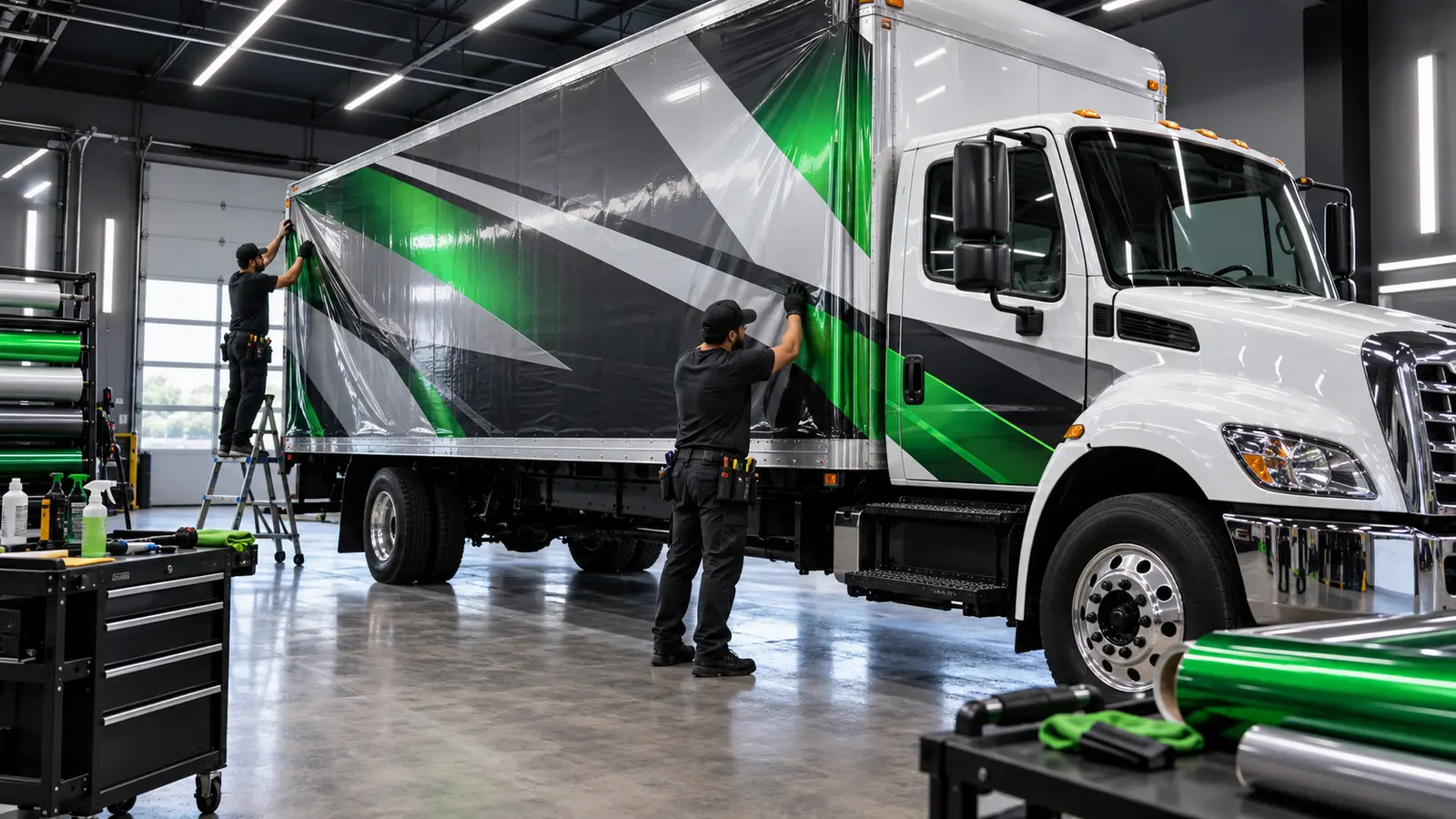
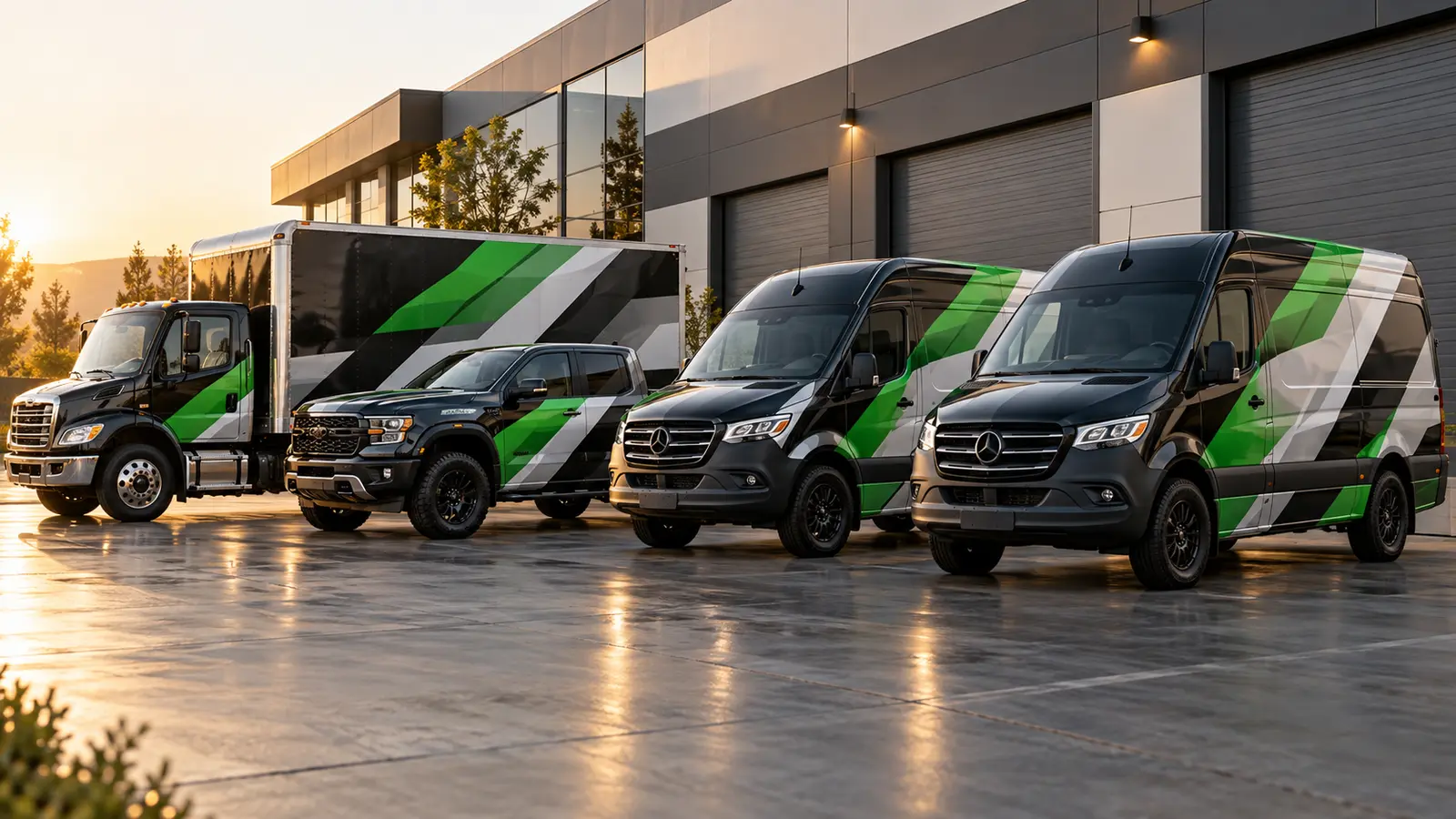
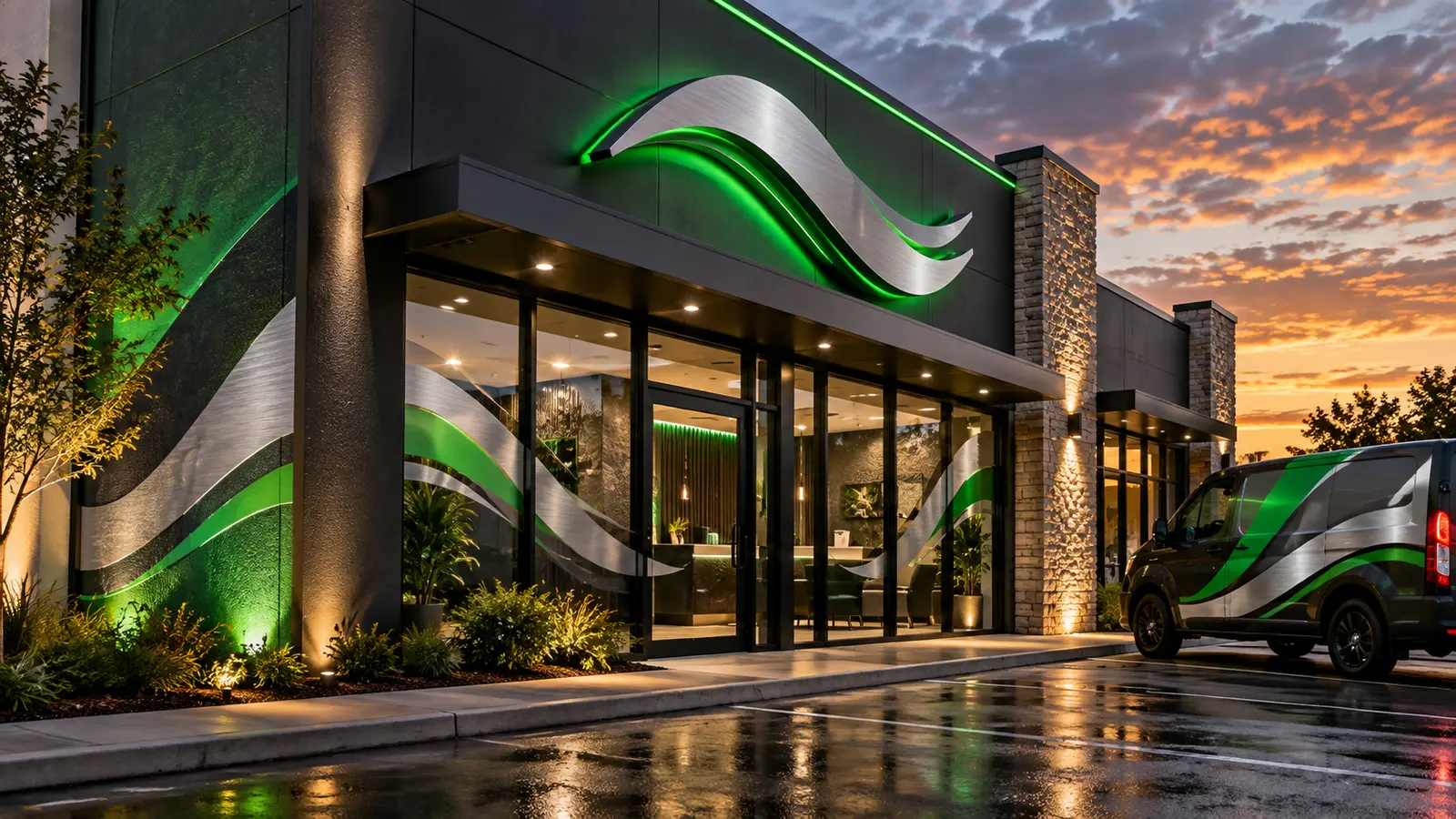
Buddha Wraps visual portfolio · New Orleans and nationwide commercial programs