Commercial Wrap Care Checklist
A practical inspection, washing, contamination-removal, damage-reporting, and service-life checklist for wrapped commercial vehicles.
How to use this tool
Work through each section before requesting pricing or approving production. Record unknown items instead of guessing; they can be confirmed during discovery.
1. Vehicle and asset details
- Asset or unit number
- Year, make, model, trim, wheelbase, roof height, and body length
- VIN or fleet record reference
- Branch, operating location, and normal route
- Doors, windows, compartments, equipment, racks, liftgates, or modifications
2. Condition and existing graphics
- Photograph every side in even daylight
- Record paint repairs, rust, dents, scratches, oxidation, and peeling clear coat
- Identify old vinyl, adhesive, silicone, wax, coatings, or decals
- Note damaged panels or hardware scheduled for replacement
3. Scope and brand requirements
- Full wrap, partial wrap, lettering, decals, reflective graphics, or panel replacement
- Approved logo, fonts, brand colors, and messaging
- Phone, URL, call to action, unit number, licenses, and required markings
- Expected campaign life, finish, cleaning routine, and replacement plan
4. Production and schedule
- Artwork approval owner and deadline
- Vehicle availability and downtime window
- Installation address, indoor space, power, lighting, and access
- Batch size, priority order, travel, shipping, and contingency units
- Inspection, completion photos, care instructions, and file archive
Decision checkpoint
If the vehicle list, coverage, condition, artwork, locations, and schedule are documented, the project is ready for a more reliable scope and quote. If any are unknown, resolve them before production.
Related guidance
Turn the worksheet into a project
Send the completed details with current vehicle photos for a practical recommendation and measured quote.
Work that earns attention.
Commercial wrap, fleet and environmental graphics built to stay clear, consistent and unmistakable wherever the brand appears.
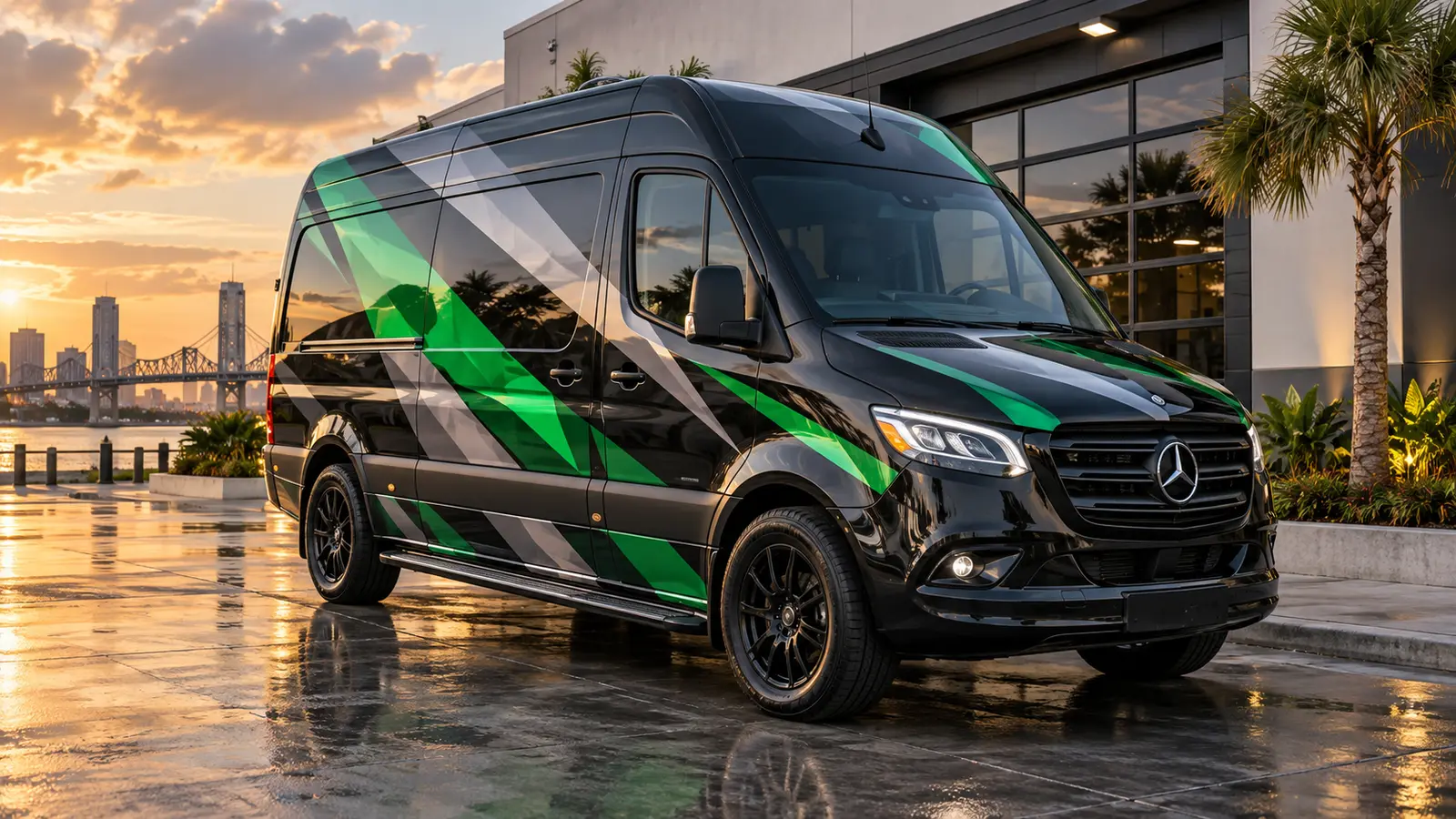
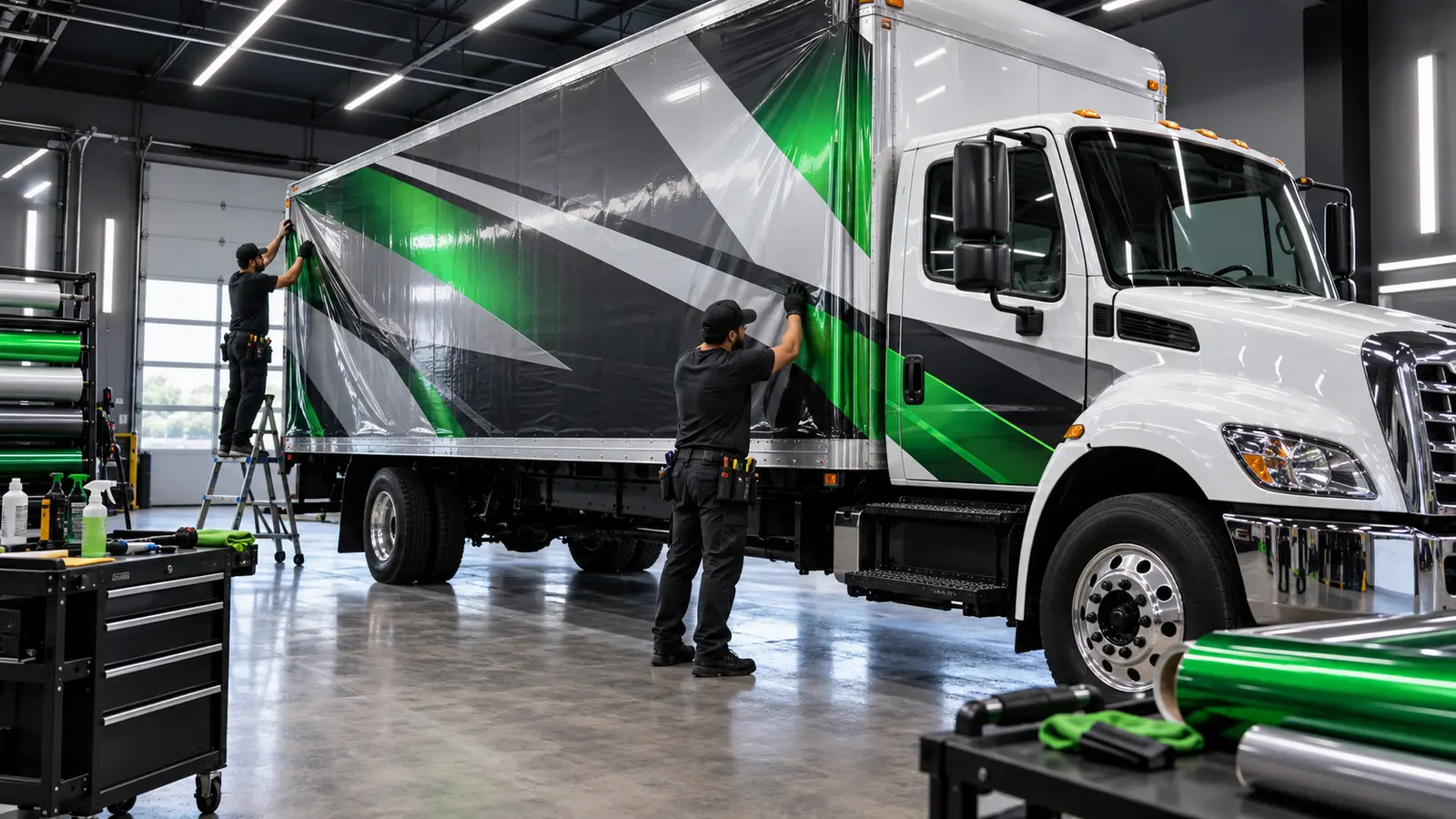
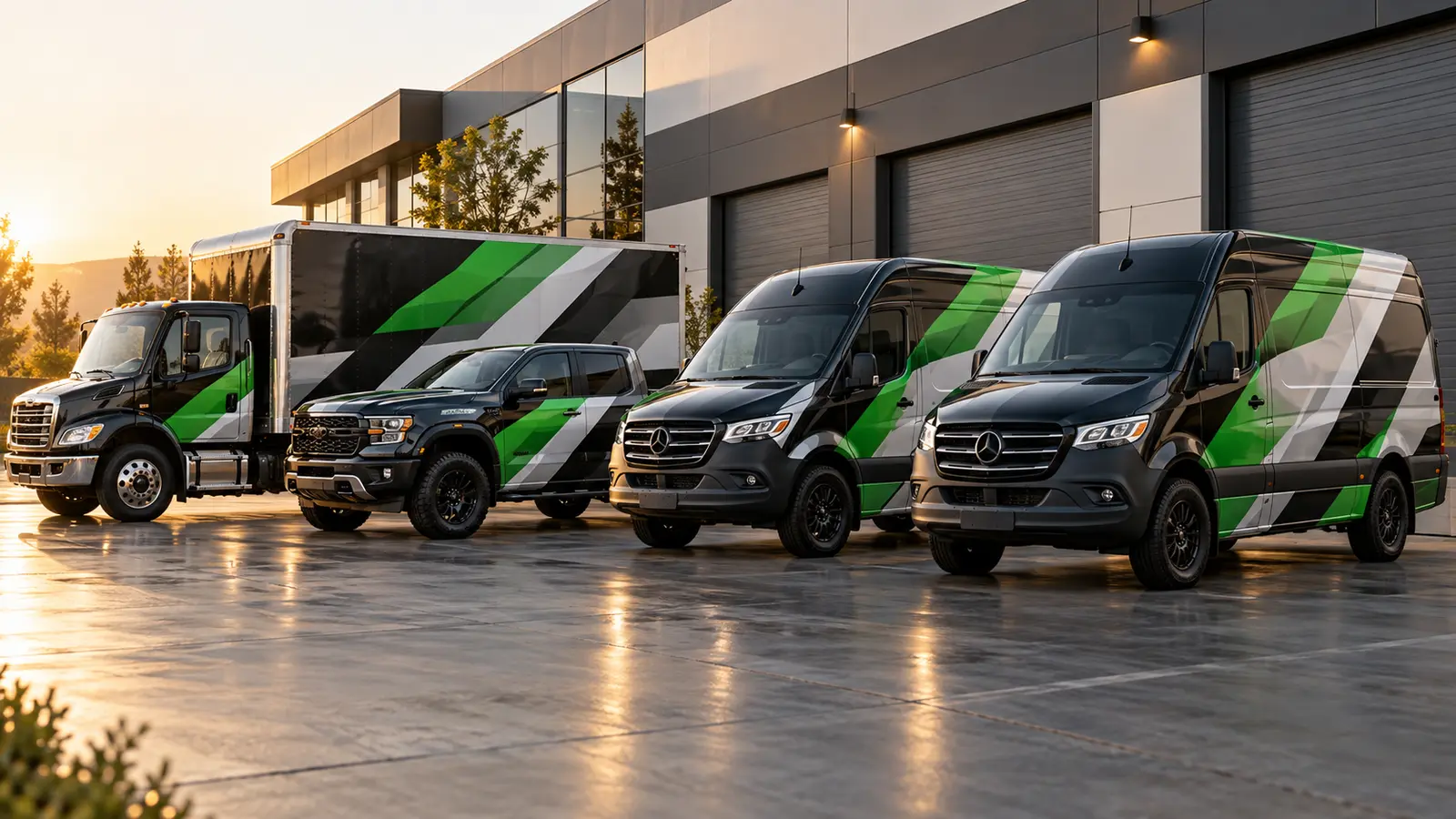
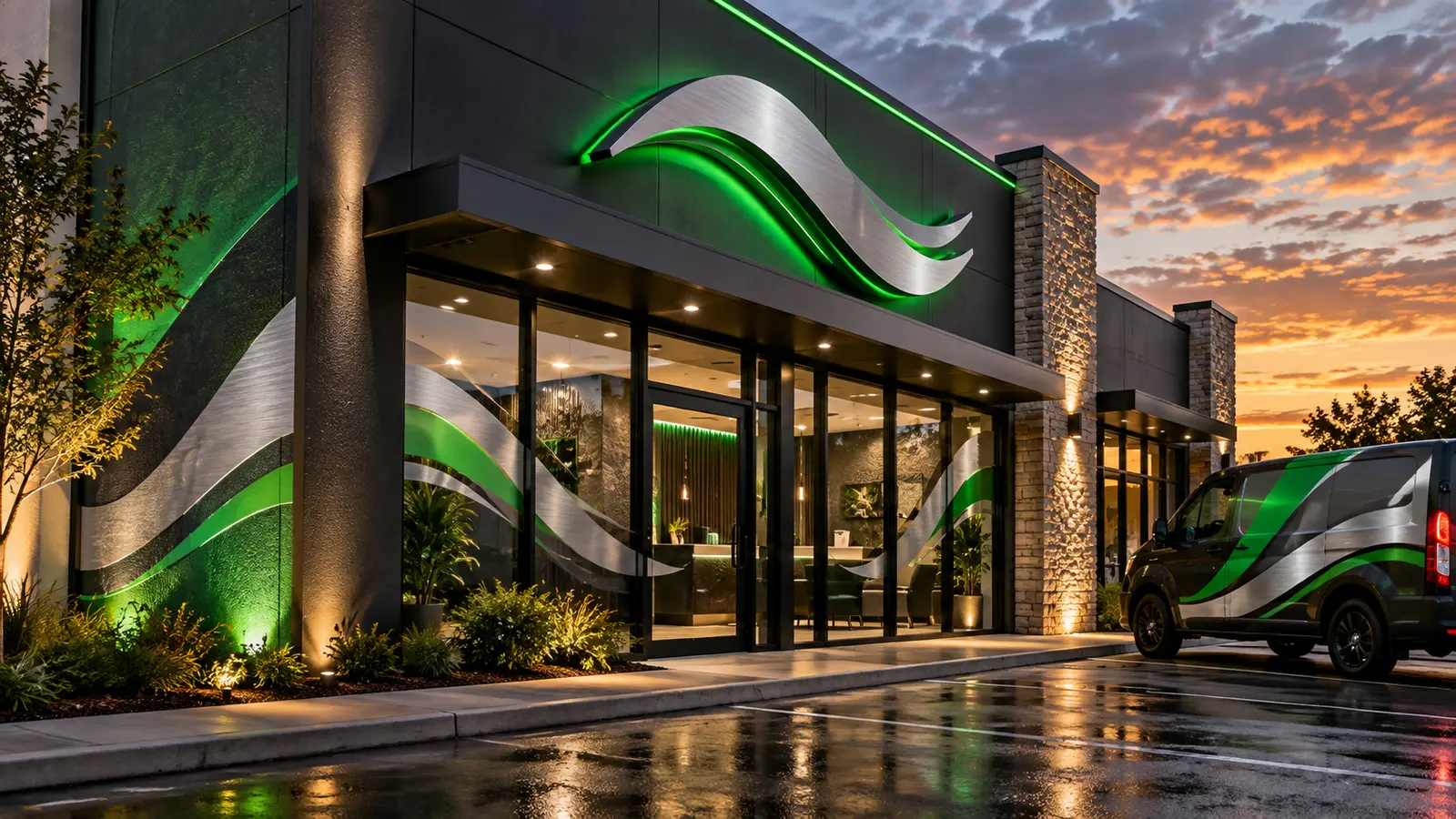
Buddha Wraps visual portfolio · New Orleans and nationwide commercial programs