Vehicle Wrap Photo Upload Checklist
Capture the photographs and identifying details needed to scope, design, schedule, and quote commercial vehicle graphics.
How to use this tool
Work through each section before requesting pricing or approving production. Record unknown items instead of guessing; they can be confirmed during discovery.
1. Vehicle and asset details
- Asset or unit number
- Year, make, model, trim, wheelbase, roof height, and body length
- VIN or fleet record reference
- Branch, operating location, and normal route
- Doors, windows, compartments, equipment, racks, liftgates, or modifications
2. Condition and existing graphics
- Photograph every side in even daylight
- Record paint repairs, rust, dents, scratches, oxidation, and peeling clear coat
- Identify old vinyl, adhesive, silicone, wax, coatings, or decals
- Note damaged panels or hardware scheduled for replacement
3. Scope and brand requirements
- Full wrap, partial wrap, lettering, decals, reflective graphics, or panel replacement
- Approved logo, fonts, brand colors, and messaging
- Phone, URL, call to action, unit number, licenses, and required markings
- Expected campaign life, finish, cleaning routine, and replacement plan
4. Production and schedule
- Artwork approval owner and deadline
- Vehicle availability and downtime window
- Installation address, indoor space, power, lighting, and access
- Batch size, priority order, travel, shipping, and contingency units
- Inspection, completion photos, care instructions, and file archive
Decision checkpoint
If the vehicle list, coverage, condition, artwork, locations, and schedule are documented, the project is ready for a more reliable scope and quote. If any are unknown, resolve them before production.
Related guidance
Turn the worksheet into a project
Send the completed details with current vehicle photos for a practical recommendation and measured quote.
Work that earns attention.
Commercial wrap, fleet and environmental graphics built to stay clear, consistent and unmistakable wherever the brand appears.
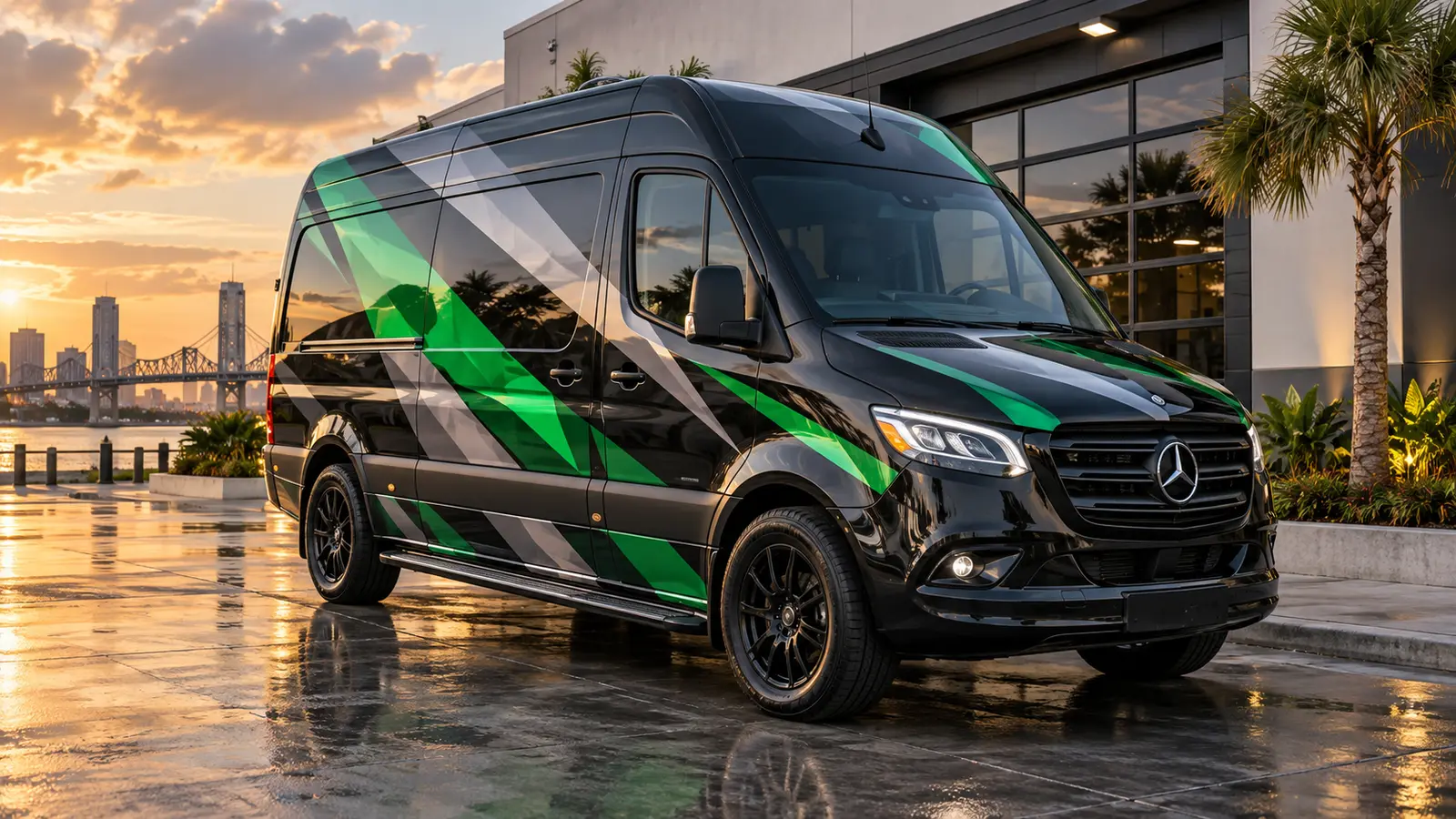
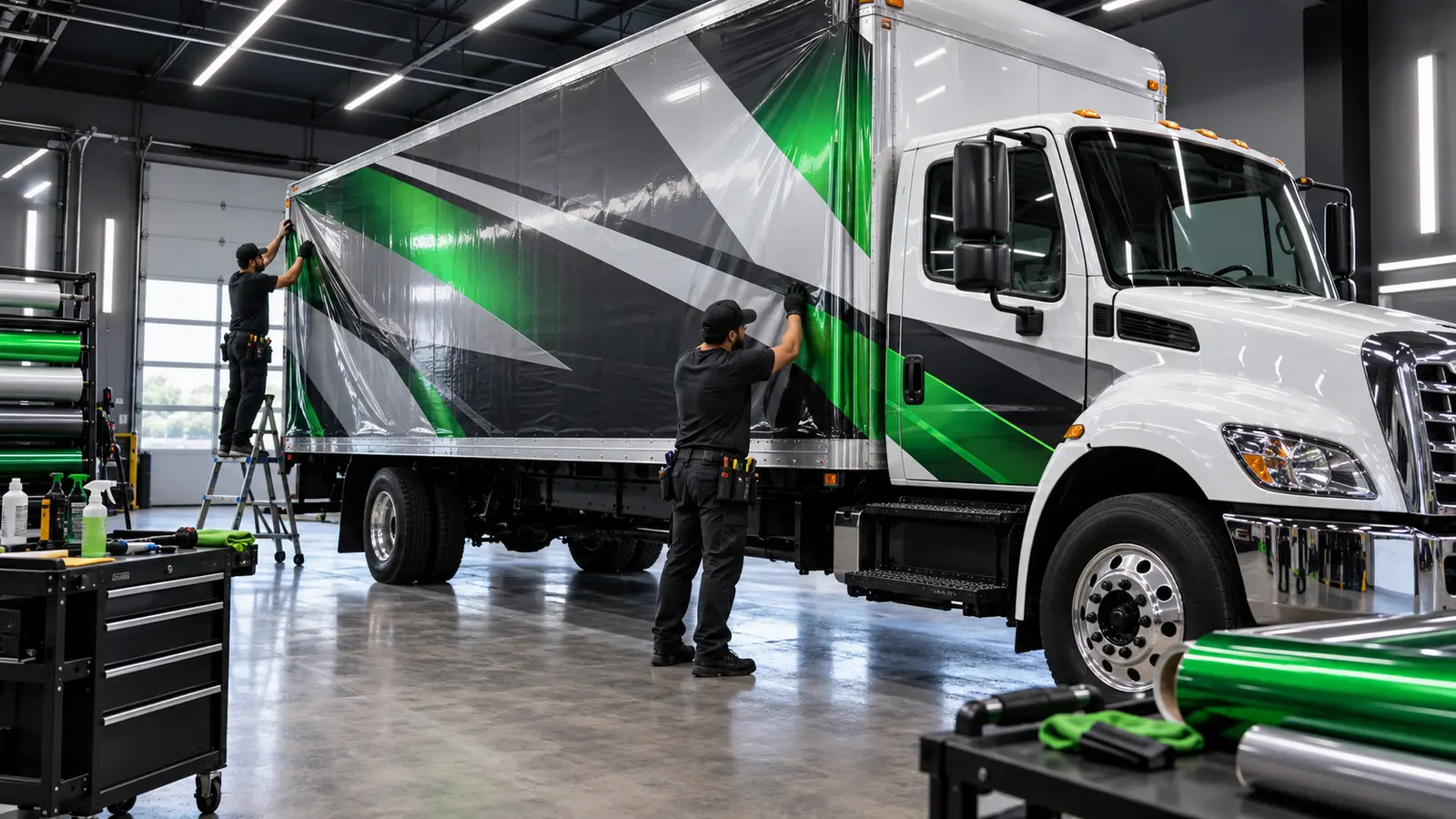
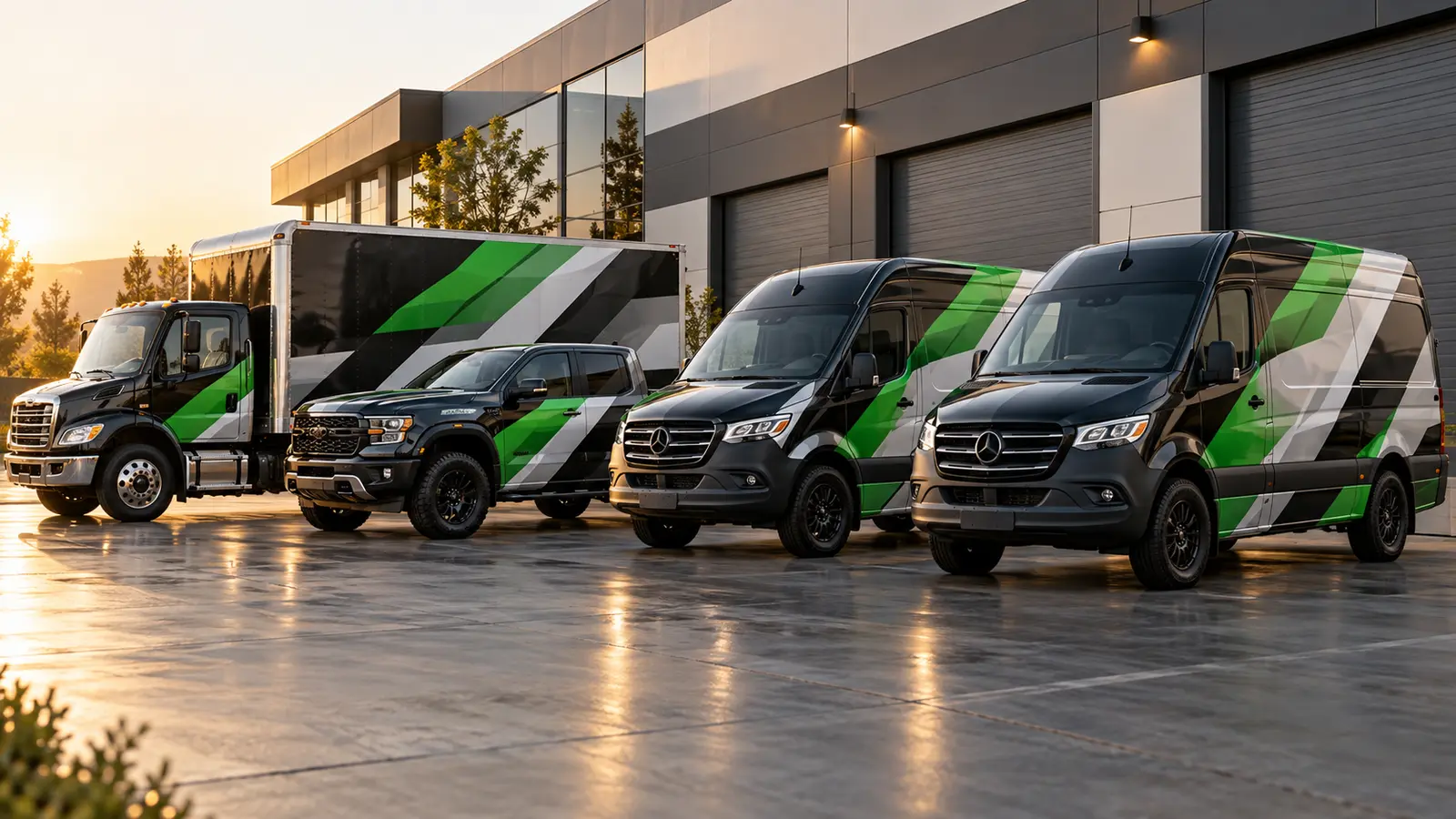
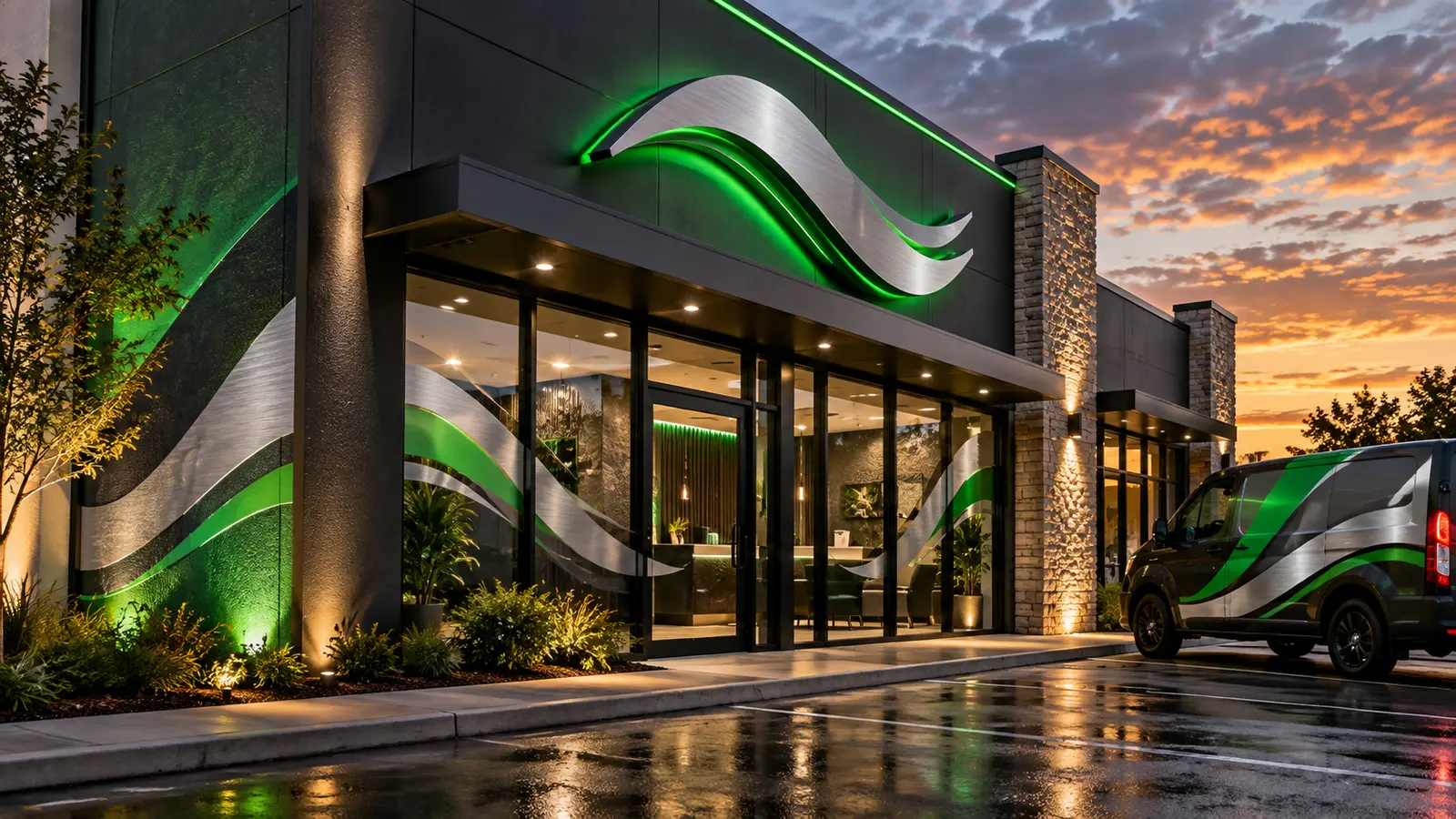
Buddha Wraps visual portfolio · New Orleans and nationwide commercial programs